
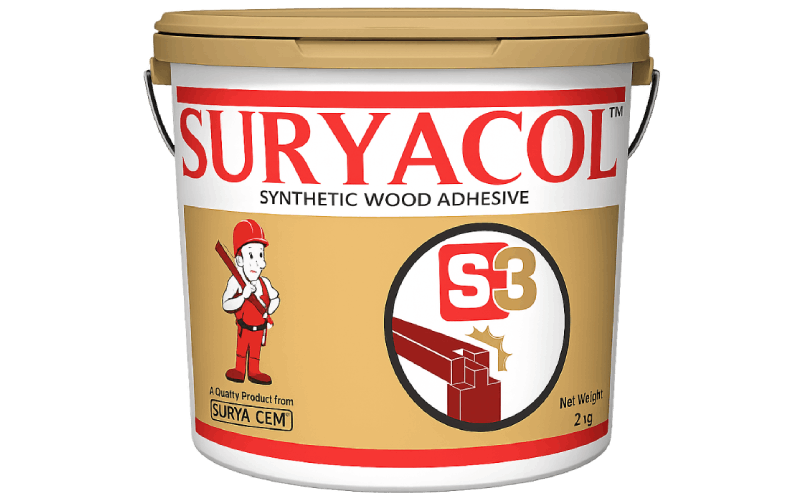
A smooth laminate finish depends on choosing the right materials and using the right bonding method. Whether you are making wardrobes, kitchen cabinets, doors or furniture, selecting the right adhesive for laminate and plywood helps keep the surfaces firmly bonded. A good adhesive supports a neat finish, reduces the risk of peeling edges and improves the durability of furniture used every day.
How the Right Adhesive Improves Laminate Bonding
Plywood provides a strong base, while laminate adds a decorative and easy-to-clean finish. The adhesive holds these materials together. Choosing the best adhesive for laminate sheets helps create a firm bond and reduces the risk of peeling edges, loose corners and visible gaps over time.
A good adhesive also helps maintain a smooth finish around edges, joints and corners. For furniture makers and homeowners, selecting the right product involves checking surface conditions, bonding strength, drying time and application methods. These factors influence the durability and appearance of finished furniture.
Five Features to Check Before Buying
Not every bonding product works the same way. Review the material specifications and application instructions rather than selecting glue by price alone. These five features deserve attention:
- Material compatibility: The best adhesive for plywood should match the board grade and the laminate’s backing, since decorative sheets and wood surfaces can have different bonding needs.
- Bonding strength: A strong adhesive for laminates should hold firmly across the full panel, including corners that face frequent handling or pressure during furniture use.
- Moisture resistance: Choose a waterproof wood adhesive only when its stated resistance level fits the expected exposure; water-resistant formulations are not automatically fit for constant soaking.
- Working time: Check how long the adhesive remains workable and when the surfaces must be joined, especially when positioning large sheets or assembling multiple cabinet parts.
- Finish quality: A product that spreads evenly and follows the recommended pressing method helps reduce trapped air, uneven contact and visible defects beneath thin decorative surfaces.
How to Choose the Right Adhesive for Different Furniture Applications
Choosing the right adhesive for laminate and plywood depends on the type of furniture and where it will be used. Wardrobes, kitchen cabinets, office desks and wall panels have different bonding requirements. A wood adhesive for furniture can be used for general woodworking, while laminate sheets need an adhesive that bonds well with their backing material.
Before selecting a product, consider the surface type, moisture exposure, bonding strength and drying time. Checking the manufacturer’s instructions also helps ensure proper application and a smooth, durable finish.
Different Types of Adhesives for Furniture and Laminate Applications
Synthetic adhesives are widely used in woodworking and furniture manufacturing because they offer different bonding properties for various materials. Water-based wood glues are commonly used for plywood assembly and furniture joints, while contact adhesives are often used for attaching decorative laminate sheets. Each type has specific application methods, drying times and bonding requirements.
When selecting an adhesive for Sunmica, consider the laminate backing, plywood surface and intended furniture application. Some adhesives require pressure or clamping, while others need a specific drying period before joining the surfaces. Understanding these differences helps you choose a suitable product for a strong, even and long-lasting bond.
Five Steps for Better Laminate Bonding
Even good glue can fail when preparation is rushed. Follow the chosen product’s instructions and use a process that matches the sheet and board:
- Prepare the plywood: Keep the board flat, dry and free from dust, oil, loose particles and raised areas that could create bumps under the laminate.
- Check the sheet: Inspect the backing for damage and allow materials to adjust to workshop conditions when the laminate manufacturer’s guidance calls for it.
- Spread the glue: Apply the specified quantity evenly; some contact products require coating both faces, while other systems follow a different application method.
- Position and press: Align the sheet accurately, then apply firm, even pressure with the recommended roller or press to help remove air pockets.
- Allow proper curing: Respect the stated setting and curing periods before trimming, drilling or putting the furniture into service; rushing can disturb a developing bond.
How Moisture and Heat Affect Plywood Adhesive Performance
Kitchen units, bathroom cabinets and panels near windows face different conditions from bedroom furniture. A product described as glue for plywood bonding may not offer the resistance needed beside a sink or heat source. Check the adhesive’s moisture and temperature limits, protect exposed plywood edges and address water leaks promptly. No glue can compensate for a persistently wet substrate or poor panel construction.
Key Factors to Avoid Adhesive Bonding Problems in Plywood and Laminates
Using too little glue can leave dry spots, while excess adhesive may cause messy edges or uneven bonding. Applying a second coat, sanding a surface or waiting before assembly should follow the specific product instructions rather than a fixed rule for every adhesive.
Another mistake is assuming every adhesive for decorative sheets works alike. PVC, acrylic, veneer and high-pressure laminate can require different bonding systems. Test unfamiliar material combinations on a small sample and check the result before starting a full installation.
Compare Products Beyond the Price
Before choosing an adhesive for laminate and plywood, check whether it is compatible with the materials used in your project. Review the product label for bonding strength, coverage, application method, drying time and moisture resistance. Kitchen cabinets and furniture exposed to humidity or heat may need adhesives with specific performance properties.
Comparing these features helps you select the right product for your needs. Testing the adhesive on a small surface before full application can also help identify bonding issues and achieve a smooth, durable finish.
Conclusion
Strong and durable furniture begins with proper bonding and the right material selection. A quality adhesive for laminate and plywood helps prevent peeling and maintain a smooth finish.
Explore Synthetic Adhesives
Frequently Asked Questions
1. Which adhesive is best for bonding laminate sheets to plywood?
Choose a laminate compatible adhesive specifically recommended for your sheet backing and plywood surface. Check bonding strength, application method, moisture exposure and manufacturer technical instructions before purchasing.
2. Can regular wood glue be used to stick laminate on plywood?
Regular wood glue may not bond properly to nonporous laminate backing. Use a product approved for your specific laminate and follow its recommended application and pressing instructions.
3. Is waterproof adhesive necessary for kitchen cabinets?
Kitchen cabinets benefit from moisture-resistant adhesives, but fully waterproof glue is not always necessary. Match the product to expected exposure and seal plywood edges against water penetration.
4. How long does laminate adhesive take to dry?
Drying and curing times vary by adhesive formulation, temperature and humidity. Follow the product label before pressing, trimming or using furniture, as early handling can weaken bonds.
5. Why does laminate peel away from plywood?
Laminate may peel because of dust, moisture, uneven glue coverage, inadequate pressure or incompatible materials. Inspect the surface and manufacturer bonding instructions before attempting repairs or replacement.